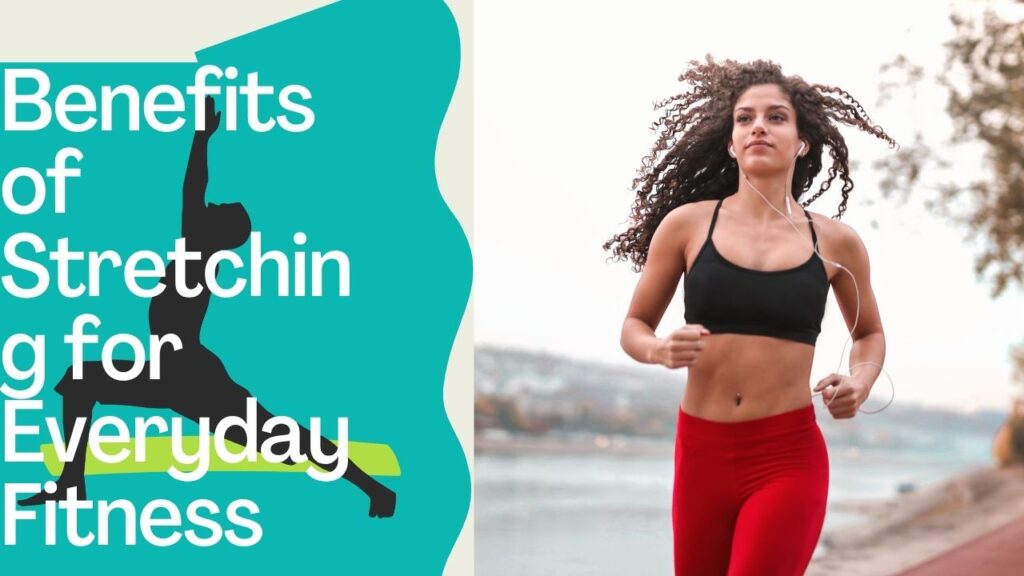

Stretching is one of the simplest ways to support everyday fitness, yet it is often overlooked. You do not need expensive equipment, a gym membership, or a complicated routine to stretch. A few minutes of purposeful stretching can help your body move more comfortably and prepare your muscles for daily activities. Whether you sit at a desk, walk regularly, exercise, or spend much of your day on your feet, stretching can become a useful part of your routine. Understanding the benefits of stretching can also help you create better fitness habits and maintain mobility as you age.
What Is Stretching?
Stretching involves deliberately moving a muscle or group of muscles through a comfortable range of motion. Different stretching techniques serve different purposes. Dynamic stretching uses controlled movement and is often useful before physical activity, while static stretching involves holding a position for a period of time and is commonly used after exercise or during flexibility sessions. The goal is not to force your body into extreme positions. Effective stretching should feel controlled and comfortable rather than painful. When practiced consistently, stretching can support flexibility, mobility, posture, and overall physical well-being.
Improves Flexibility
One of the most recognized benefits of stretching is improved flexibility. Regular stretching can help your muscles and joints move through a more comfortable range of motion. Better flexibility may make everyday movements such as bending, reaching, climbing stairs, or getting dressed feel easier. Flexibility can also contribute to better movement during exercise. However, improvement usually requires consistency rather than occasional long stretching sessions. A simple routine performed regularly can be more useful than stretching intensely once in a while. Start with comfortable movements and gradually increase your range as your body becomes accustomed to the routine.
Supports Better Mobility
Flexibility and mobility are closely related, but they are not exactly the same. Flexibility describes how much a muscle can lengthen, while mobility involves how well a joint can move with control. Stretching can contribute to better overall mobility when combined with strength and movement exercises. Improved mobility can make everyday activities feel smoother and less restricted. This is particularly useful for movements such as squatting, reaching overhead, rotating your torso, and walking comfortably. Including different types of stretching in a balanced fitness routine can help maintain functional movement throughout daily life.
Helps Reduce Muscle Tightness
Long periods of sitting, repetitive activities, and demanding workouts can leave certain muscles feeling tight. Stretching may help you feel less restricted by encouraging gentle movement through your available range of motion. For example, people who spend hours sitting may notice stiffness around the hips, legs, shoulders, or back. A short movement break with gentle stretches can help interrupt long periods of inactivity. Stretching should not be treated as a cure for persistent pain, however. If discomfort is severe, recurring, or unexplained, professional medical advice is more appropriate than simply adding more stretching.
Supports Good Posture
Poor posture can develop from habits such as prolonged sitting, looking down at screens, or spending much of the day in one position. Stretching certain tight areas may help support a more comfortable posture when combined with strengthening exercises and better daily habits. Gentle stretches for the chest, shoulders, hips, and upper back can complement exercises that strengthen the muscles responsible for maintaining stable posture. Good posture is not about holding one rigid position all day. Instead, it is about having the mobility and strength to change positions comfortably and avoid staying in the same position for too long.
Prepares the Body for Exercise
Dynamic stretching can be a useful part of a warm-up before physical activity. Controlled movements can gradually increase body temperature and prepare muscles and joints for the movements you are about to perform. For example, leg swings, arm circles, walking lunges, and controlled bodyweight movements may be appropriate before certain workouts. A warm-up should match the activity that follows. If you plan to run, include movements that prepare your legs and hips. Before an upper-body workout, use controlled shoulder and arm movements. Avoid turning warm-up stretching into an exhausting workout.
Helps With Post-Workout Recovery
Gentle stretching after exercise can be a relaxing way to transition from intense activity to a calmer state. It may help you maintain comfortable movement and provide an opportunity to focus on areas that feel particularly tight after training. Post-workout stretching does not guarantee that you will avoid muscle soreness, but it can be a useful component of an overall recovery routine. Hydration, adequate nutrition, sleep, rest, and appropriate training volume are also important. Think of stretching as one part of recovery rather than a replacement for other healthy habits.
Encourages Better Body Awareness
Stretching gives you an opportunity to pay attention to how your body feels and moves. During a stretching session, you may notice differences between the left and right sides of your body, areas of stiffness, or movements that feel restricted. This awareness can help you recognize patterns in your everyday movement. Practicing slowly also encourages better control instead of rushing through exercises. Over time, greater body awareness can help you adjust your posture, movement habits, and exercise technique. Always distinguish between normal stretching tension and sharp or unusual pain.
Can Support Everyday Physical Performance
Everyday fitness is not only about structured workouts. It also involves being able to move efficiently while completing normal activities. Stretching can support the range of motion needed for walking, lifting light objects, reaching shelves, playing with children, gardening, cleaning, and other daily tasks. When your muscles and joints can move comfortably, ordinary activities may feel less demanding. Stretching works best when paired with strength, cardiovascular exercise, balance training, and sufficient recovery. Together, these elements create a more complete approach to functional fitness.
May Support Healthy Aging
Maintaining mobility becomes increasingly important as people get older. Regular physical activity that includes flexibility and mobility work can help support independence and comfortable movement. Stretching alone cannot prevent every age-related change, but it can be a simple way to keep movement practices in your routine. Older adults can benefit from gentle, controlled exercises that match their abilities and health needs. If you have a medical condition, recent injury, or significant mobility limitation, consider speaking with a qualified healthcare professional before starting a new stretching program.
Reduces the Effects of Prolonged Sitting
Modern lifestyles often involve long periods of sitting for work, studying, gaming, or entertainment. Staying in one position for extended periods can make the body feel stiff and uncomfortable. Stretching provides an easy reason to stand up and move. Instead of waiting until the end of the day, take brief movement breaks throughout your schedule. Try standing, walking around, gently rotating your shoulders, or performing comfortable stretches. These small habits can make your daily routine more active. The bigger goal is to reduce prolonged inactivity rather than relying on one stretching session to offset an entire day of sitting.
Supports Relaxation
Stretching can also have a calming effect when performed slowly and deliberately. Gentle movements combined with steady breathing can create a short break from work, studying, or other daily demands. A relaxed evening stretching routine may help you transition from a busy day toward rest. Avoid bouncing or forcing your body into uncomfortable positions. Instead, focus on controlled movements and relaxed breathing. While stretching is not a substitute for professional care for stress or mental health concerns, it can be a simple wellness habit that encourages you to slow down and reconnect with your body.
Dynamic vs. Static Stretching
Understanding the difference between dynamic and static stretching can help you choose the right approach. Dynamic stretching involves controlled movement through a range of motion and is often suitable before exercise. Static stretching involves holding a comfortable position and is commonly used during dedicated flexibility sessions or after physical activity. Neither method needs to be treated as universally better. The best choice depends on your goal, activity, fitness level, and personal needs. A balanced routine can include both forms at appropriate times rather than using one type for every situation.
How Long Should You Stretch?
There is no single stretching duration that works perfectly for everyone. The ideal amount depends on your goals and the type of stretching you are performing. A short daily routine can be enough to build consistency, while people specifically working on flexibility may need longer sessions. Move slowly and avoid forcing a joint beyond a comfortable range. For static stretches, breathe normally and maintain a position that creates gentle tension without pain. Consistency is generally more important than trying to achieve dramatic flexibility improvements in a single session.
How Often Should You Stretch?
Stretching frequency should fit naturally into your lifestyle. Some people may prefer a short daily routine, while others may stretch several times each week around their workouts. The most important factor is consistency. You can stretch after exercise, during movement breaks, or as part of a dedicated flexibility session. If you sit for long periods, brief movement breaks throughout the day may be especially practical. Start with a manageable routine instead of creating a complicated program that becomes difficult to maintain.
Common Stretching Mistakes to Avoid
Several common mistakes can reduce the value of stretching. One is bouncing aggressively while trying to increase range of motion. Another is forcing a stretch despite pain. Holding your breath, rushing through movements, and ignoring both sides of the body are also poor habits. Stretching cold muscles intensely before demanding exercise may not be appropriate either. Instead, begin with gentle movement and gradually increase intensity. Pay attention to technique and control. If a stretch causes sharp pain, numbness, tingling, or unusual discomfort, stop and seek appropriate professional guidance when necessary.
Simple Stretching Routine for Beginners
Beginners can start with a short routine that covers major areas of the body. Try gentle neck movements, shoulder rolls, chest stretches, torso rotations, hip movements, hamstring stretches, calf stretches, and quadriceps stretches. Do not attempt to force a deep range of motion immediately. Spend a few minutes moving comfortably and focus on smooth breathing. You can perform dynamic movements before exercise and use comfortable static stretches afterward or during a separate flexibility session. As your body adapts, gradually increase the consistency and variety of your routine.
Stretching and Strength Training
Stretching should complement strength training rather than replace it. Strong muscles help stabilize joints and support controlled movement, while adequate mobility allows you to perform many exercises with better range of motion. For example, someone working on lower-body strength may also benefit from mobility work for the hips and ankles. A balanced fitness plan can include resistance training, cardiovascular exercise, mobility work, flexibility exercises, and rest. Combining these elements provides a more complete approach to physical fitness than focusing exclusively on stretching.
Stretching and Cardiovascular Exercise
Cardiovascular activities such as walking, running, cycling, and swimming involve repetitive movement. Adding appropriate mobility and stretching work can help you prepare for activity and maintain comfortable movement. Before cardio, dynamic movements may be more suitable as part of a warm-up. Afterward, gentle stretching can provide a gradual transition into recovery. The specific routine should match the activity. A runner may focus on lower-body mobility, while a swimmer may include movements for the shoulders and upper back. Avoid assuming that every athlete needs the same stretching routine.
Benefits of Consistent Stretching
The biggest advantage of stretching comes from making it a sustainable habit. Occasional stretching may feel good, but regular practice gives you more opportunities to work on mobility and flexibility over time. A five-to-ten-minute routine that you actually perform consistently can be more practical than an ambitious hour-long session that you quickly abandon. Connect stretching with an existing habit, such as waking up, finishing a workout, taking a work break, or preparing for bed. Building a routine around an established activity can make the habit easier to maintain.
When to Be Careful With Stretching
Stretching is generally accessible, but it is not appropriate to push through every type of discomfort. People recovering from injuries, dealing with joint problems, or experiencing unexplained pain should seek professional guidance before beginning an intensive flexibility program. Certain medical conditions may also require specific modifications. Never assume that more stretching is always better. The goal is controlled, comfortable movement. If an exercise produces sharp pain, swelling, numbness, dizziness, or other concerning symptoms, stop and seek appropriate medical advice.
Conclusion
The benefits of stretching extend beyond flexibility. Regular, appropriate stretching can support mobility, reduce feelings of tightness, improve body awareness, complement exercise, and make everyday movement more comfortable. It can also provide a simple opportunity to break up long periods of sitting and create a relaxing pause during a busy day. For the best results, combine stretching with strength training, cardiovascular activity, balance work, healthy nutrition, quality sleep, and adequate recovery. Start small, focus on controlled movements, and build consistency. A few minutes of purposeful stretching can become a valuable part of a balanced everyday fitness routine.